How We Use Nutritional Ketosis to Repair Brain Energy at CR8 Health
For a long time, psychiatry has treated the brain like it's disconnected from the rest of the body. You get a diagnosis, you get a medication, and the conversation mostly stops there. But a growing body of clinical evidence — and a lot of what we see walk through our doors at CR8 Health — points to something different: many cases of anxiety, depression, bipolar disorder, and even more severe psychiatric conditions aren't purely "chemical imbalances." They're often a downstream symptom of something more fundamental: a metabolic crisis happening inside the brain itself.
That's the whole premise behind metabolic psychiatry, and it's why we built our THINK+SMART framework around it.
The brain is hungrier than you think
Your brain makes up about 2% of your body weight, but it burns through roughly 20% of your daily energy. When the cells that power your brain — your mitochondria — can't produce or use energy efficiently, the result isn't just "feeling tired." It can show up as brain fog, mood instability, anxiety, and in more serious cases, the kind of treatment-resistant psychiatric symptoms we see patients struggle with for years.
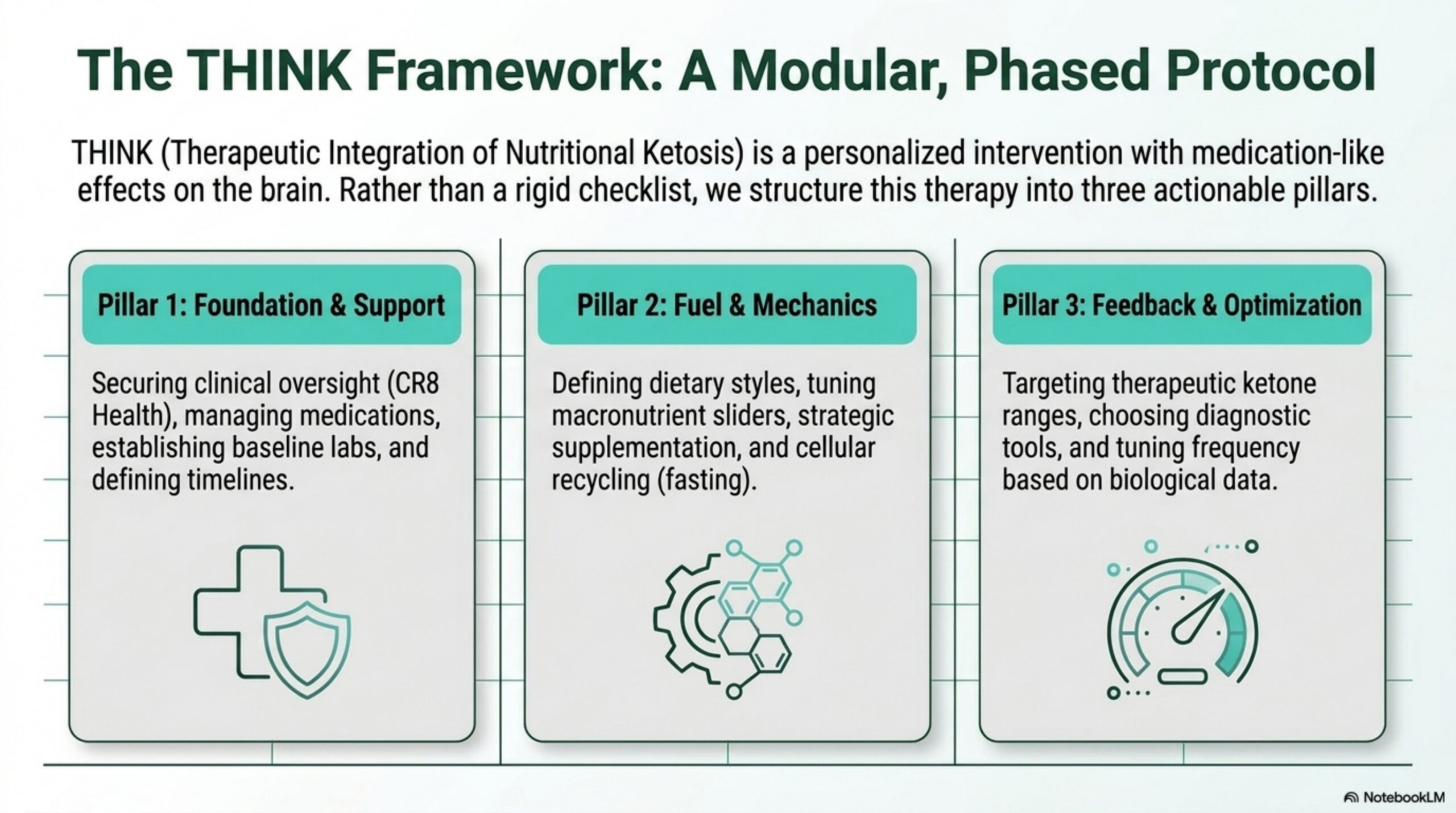
This is where THINK comes in — Therapeutic Integration of Nutritional Ketosis. It's not a weight-loss plan. It's a clinical-grade metabolic intervention aimed at repairing how your brain generates and uses energy, paired with the broader SMART strategies: Sleep, Move, Avoid inflammatory triggers, Rebuild through nutrient density, and Track your biomarkers.
Your body already knows how to do this
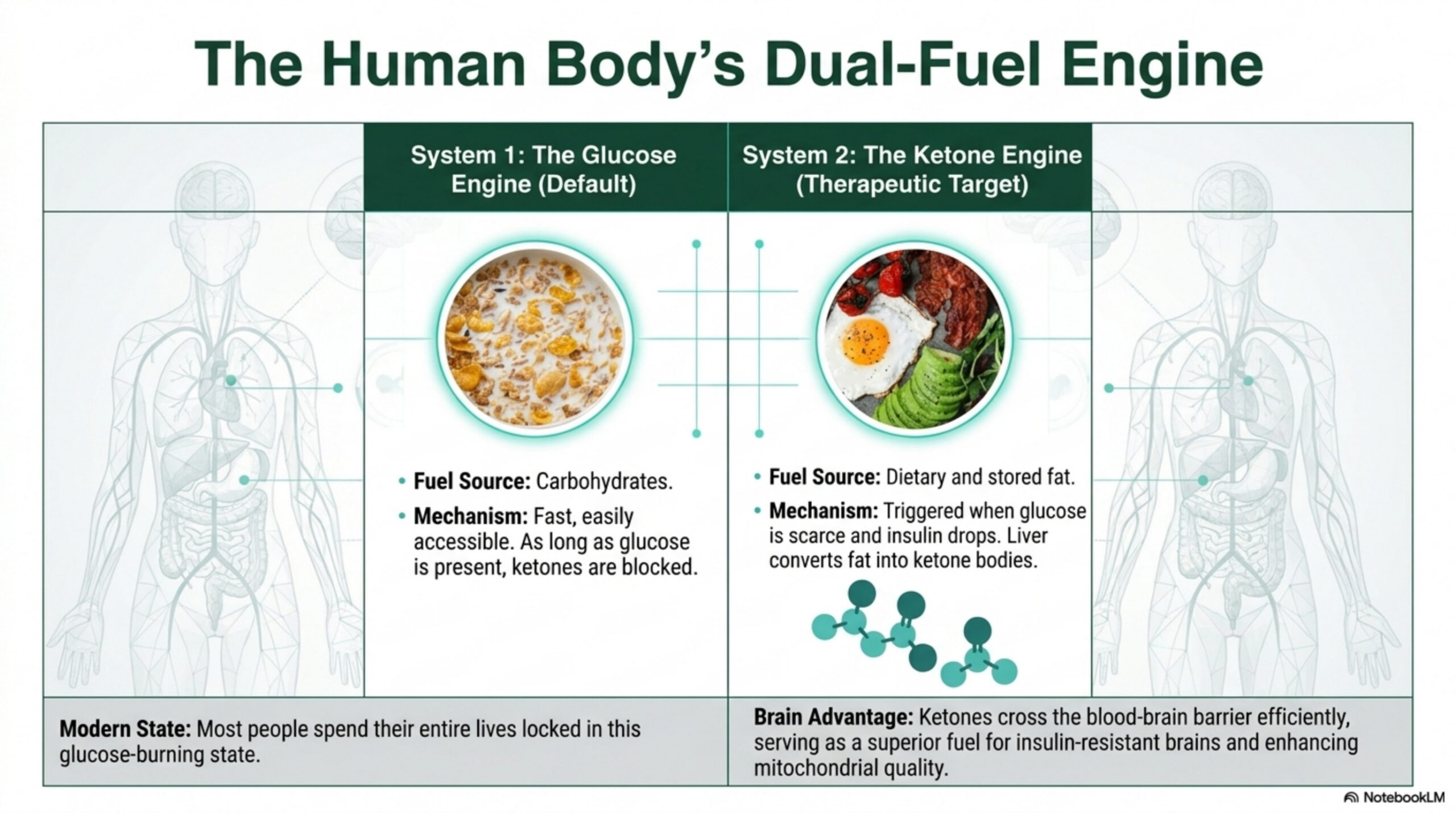
Think of your body as a hybrid car. Most of us have only ever driven it in one gear: glucose. Carbohydrates come in, insulin goes up, and your body burns sugar for fuel all day, every day.
But your body has a second engine it rarely gets to use: ketones. When carbohydrate intake drops and insulin falls, your liver starts converting fat — dietary or stored — into ketone bodies (mainly beta-hydroxybutyrate, or BHB). This is nutritional ketosis, and it's a completely different, and in many ways more efficient, way of fueling your brain.
It's worth being clear about something here, because we get this question a lot: nutritional ketosis is not diabetic ketoacidosis. DKA is a dangerous medical emergency, almost always tied to Type 1 diabetes, where ketone levels spike far beyond what we're targeting therapeutically and the blood becomes dangerously acidic. What we're doing clinically is a controlled, monitored, and safe metabolic state — nothing like it.
Why ketones change the game for the brain
Ketones don't just serve as backup fuel. Once your body is producing them steadily, a few things start to happen:
- They cross the blood-brain barrier efficiently, which matters a lot if your brain is dealing with insulin resistance — because ketones give it a cleaner energy source that doesn't rely on the broken glucose pathway.
- They trigger mitochondrial biogenesis — your brain cells actually build more, and more efficient, "power plants."
- They calm inflammation and rebalance neurotransmitters, including the GABA/glutamate balance that plays a huge role in mood and anxiety regulation.
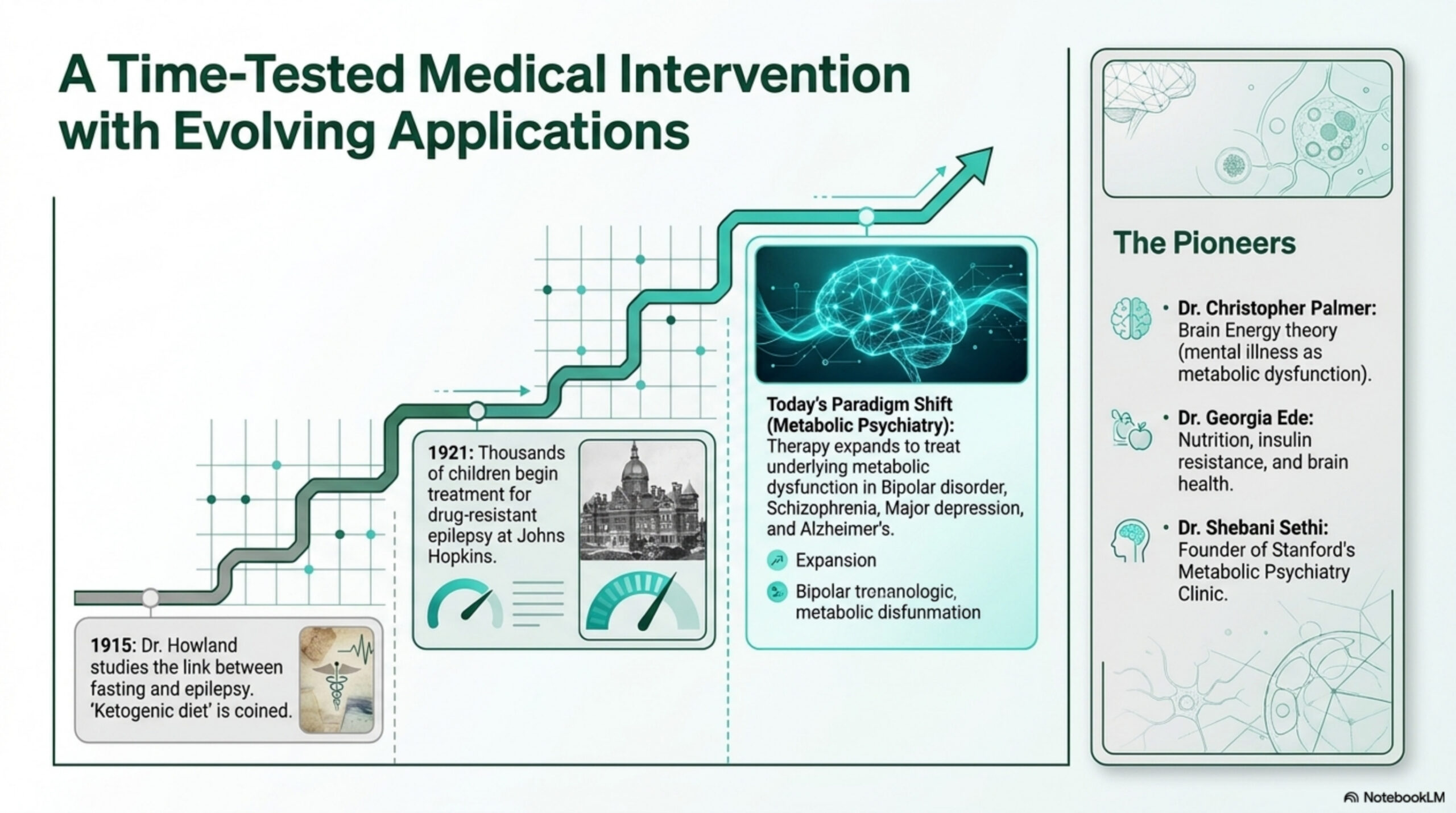
Ketogenic therapy was first used clinically back in 1921 for drug-resistant epilepsy — it has a century of safety data behind it. What's changed is how far we now know it can reach: Type 2 diabetes, PCOS, bipolar disorder, schizophrenia, major depression, anxiety, ADHD, OCD, PTSD, and neurodegenerative conditions like Alzheimer's, Parkinson's, and ALS.
How we actually implement this at CR8 Health
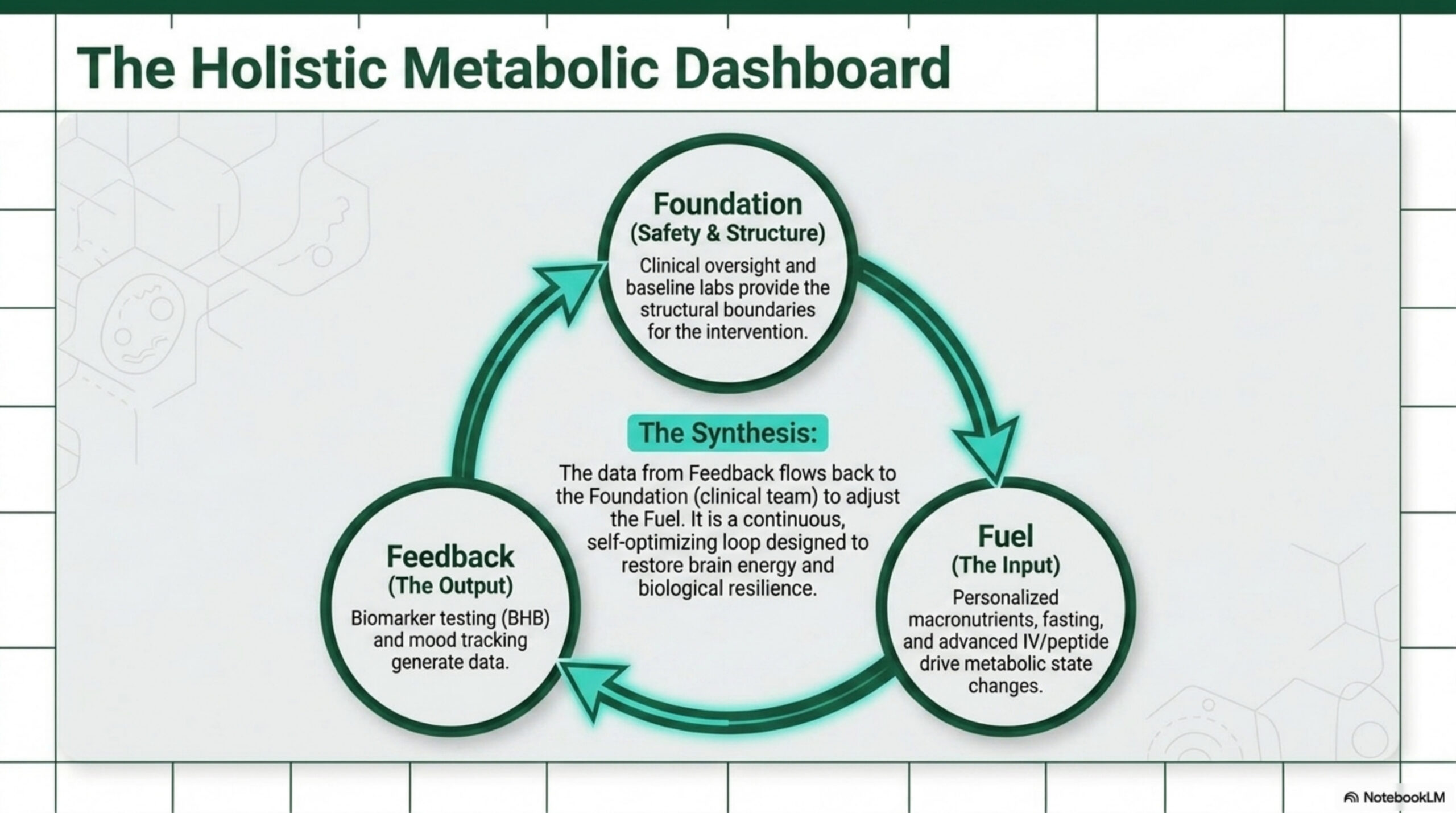
This isn't something we hand you a pamphlet on and send you home. Ketogenic therapy has medication-like potency — which means it needs the same level of clinical respect you'd give a new prescription. Here's how we structure it:
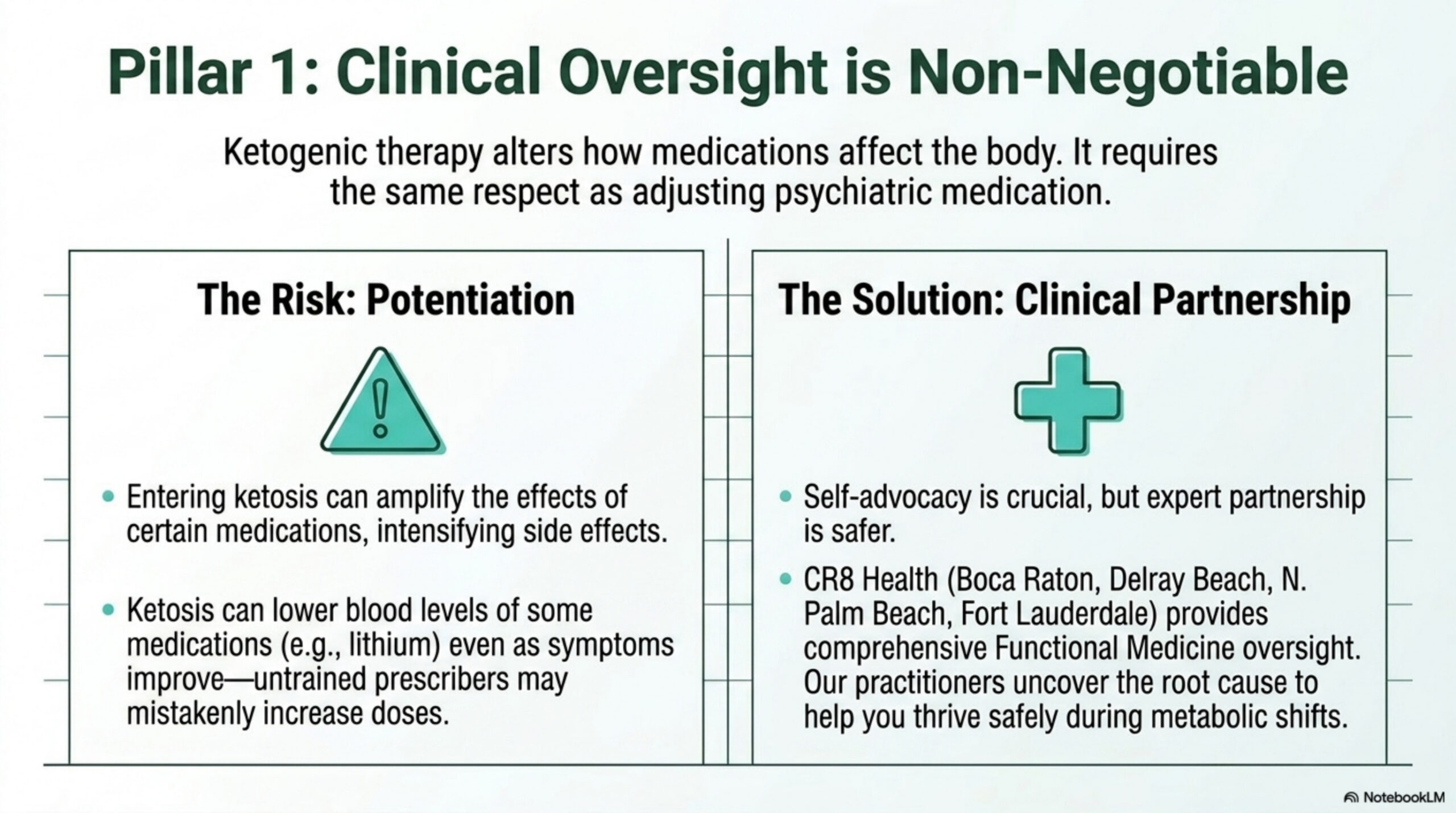
1. Clinical oversight, from day one. If you're on psychiatric medication, ketosis can amplify its effects — a phenomenon called potentiation — sometimes requiring a dose adjustment. It can also lower blood levels of certain drugs like lithium. This is exactly why we don't recommend attempting this without a care team that understands what's happening metabolically.
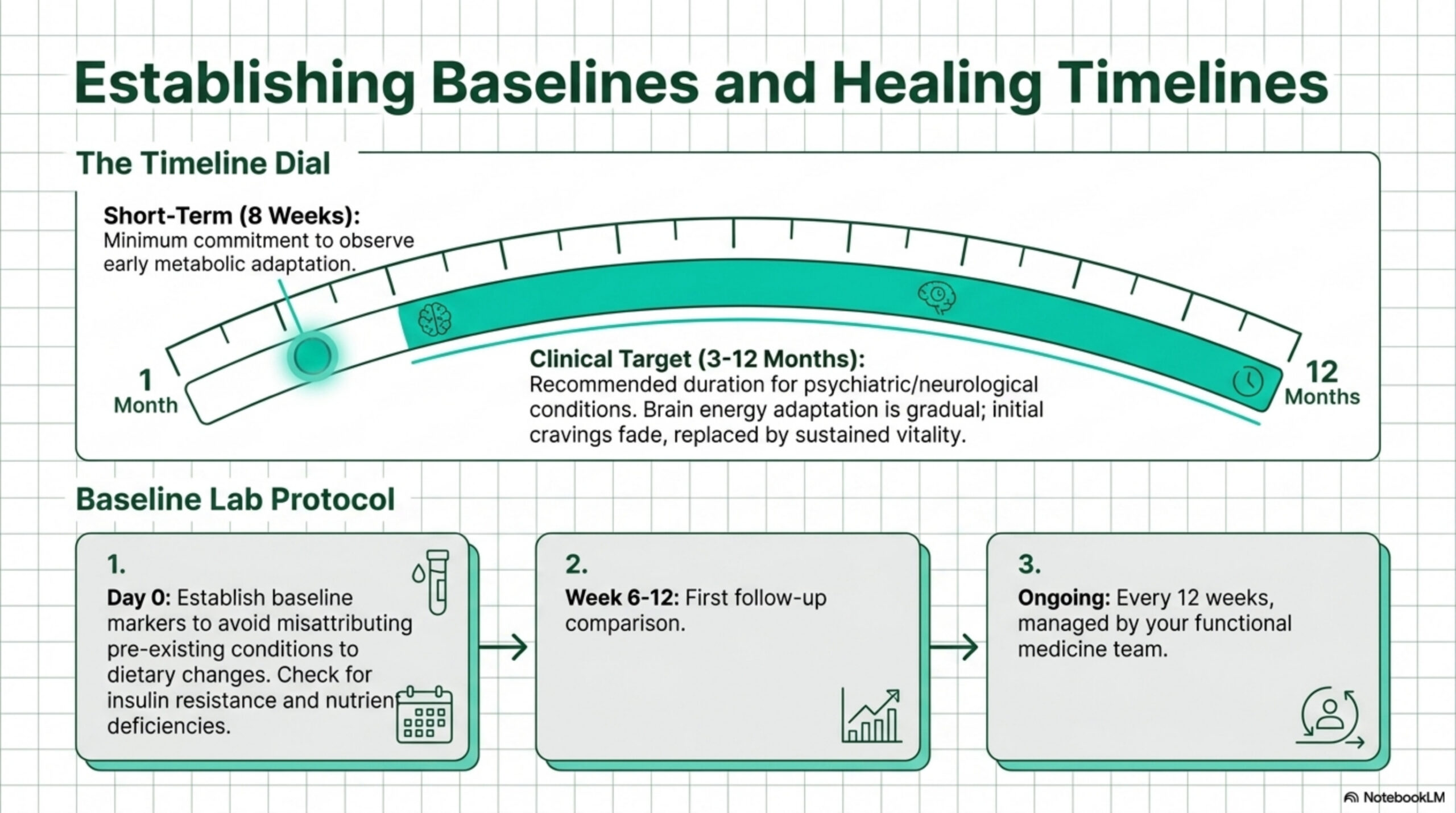
2. A real timeline, not a quick fix. Some people notice a shift in mental clarity within days. But for serious psychiatric conditions, we typically recommend 3 to 4 months minimum, and often a full year for complete metabolic adaptation and cellular repair.
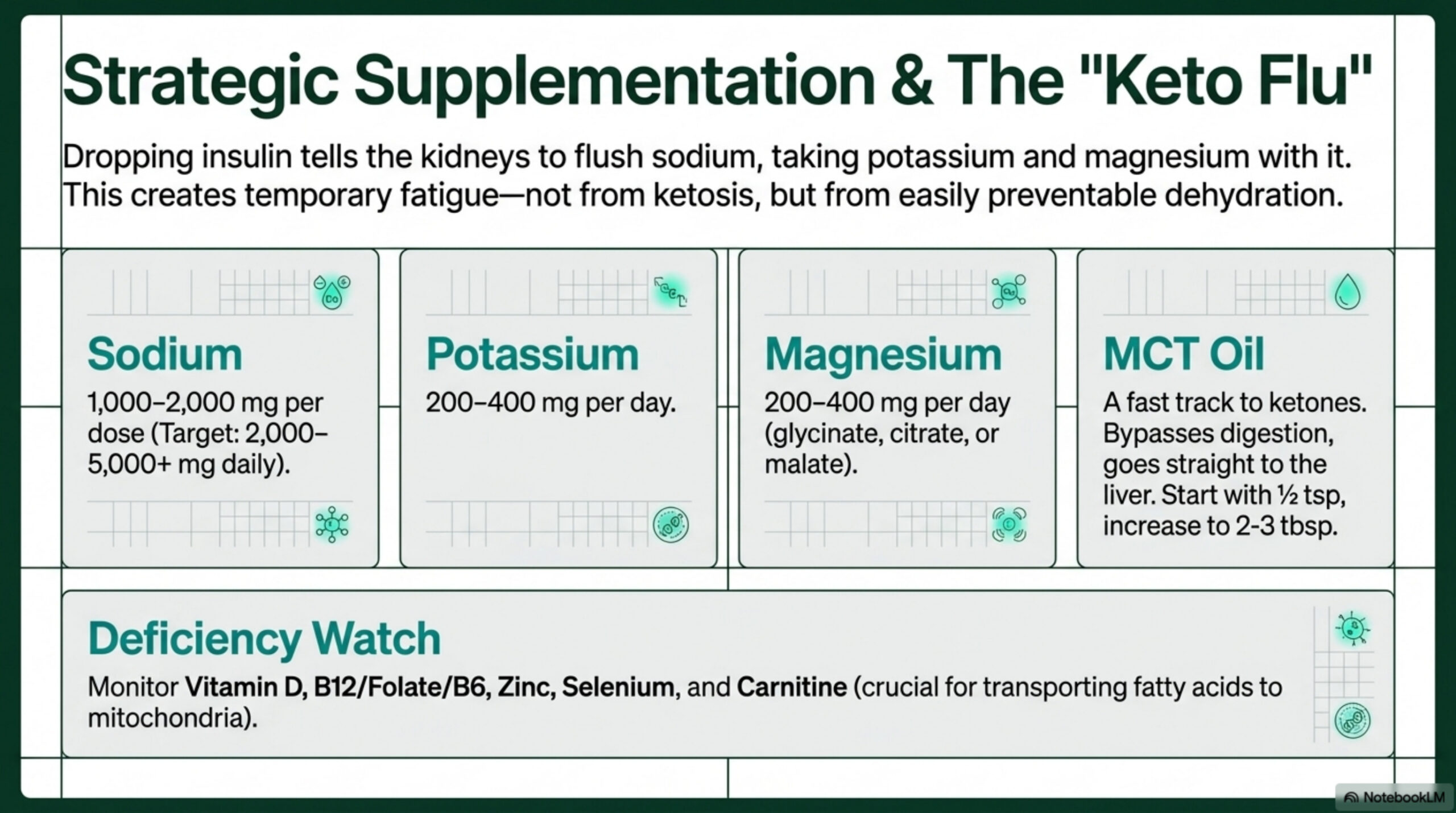
3. Baseline labs before you start. Beyond standard metabolic panels, we specifically test Carnitine — the compound responsible for shuttling fatty acids into your mitochondria. If you're deficient, your body can't metabolize fat properly no matter how clean your diet is. We re-check labs at 6–12 weeks, then every 12 weeks after that.
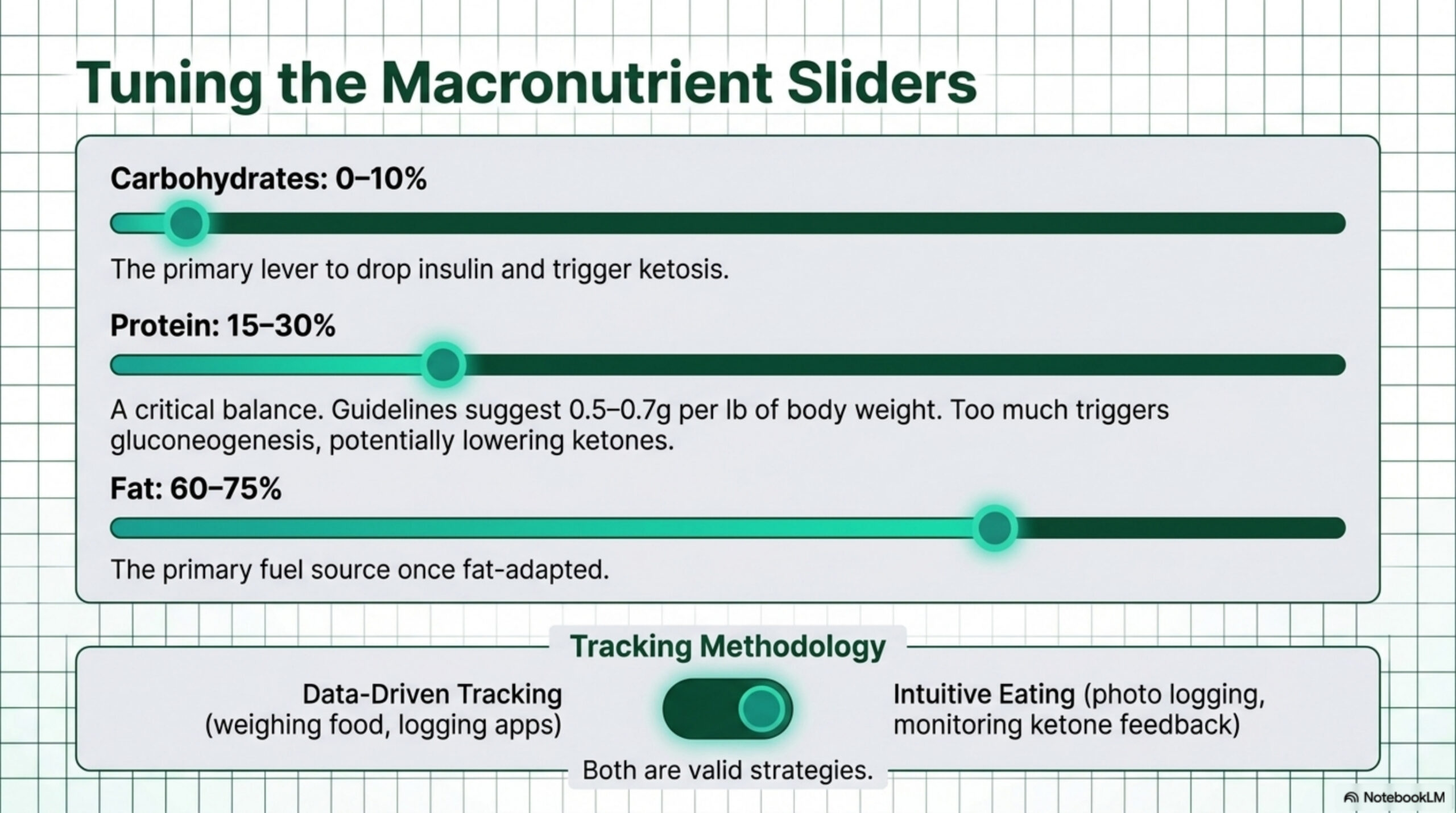
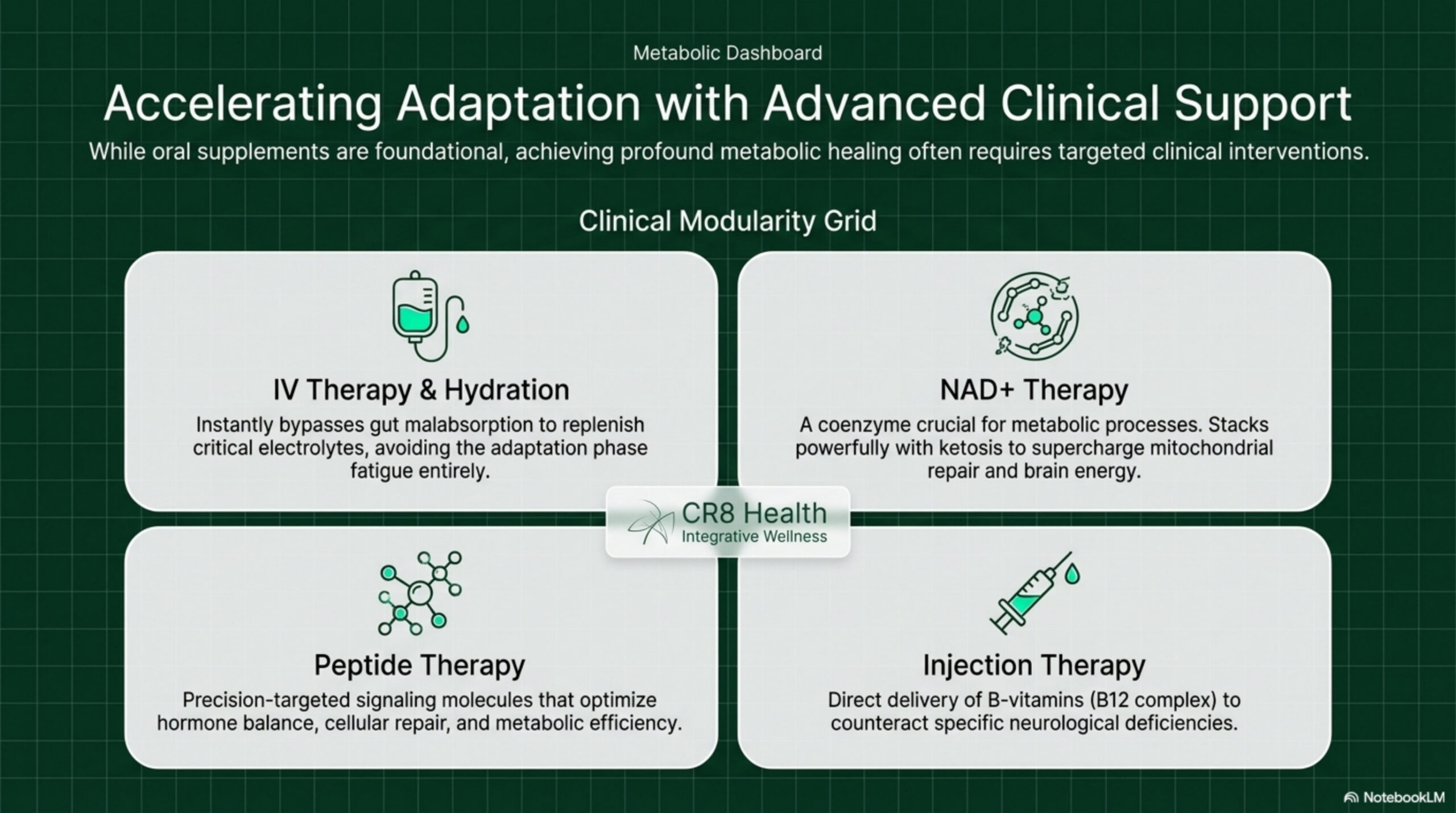
4. Electrolytes, non-negotiable. As insulin drops, your kidneys flush sodium — and potassium and magnesium go with it. This is the actual cause of "keto flu," not the ketosis itself. We guide patients through sodium (2,000–5,000+ mg daily), potassium, and magnesium supplementation to avoid it entirely.
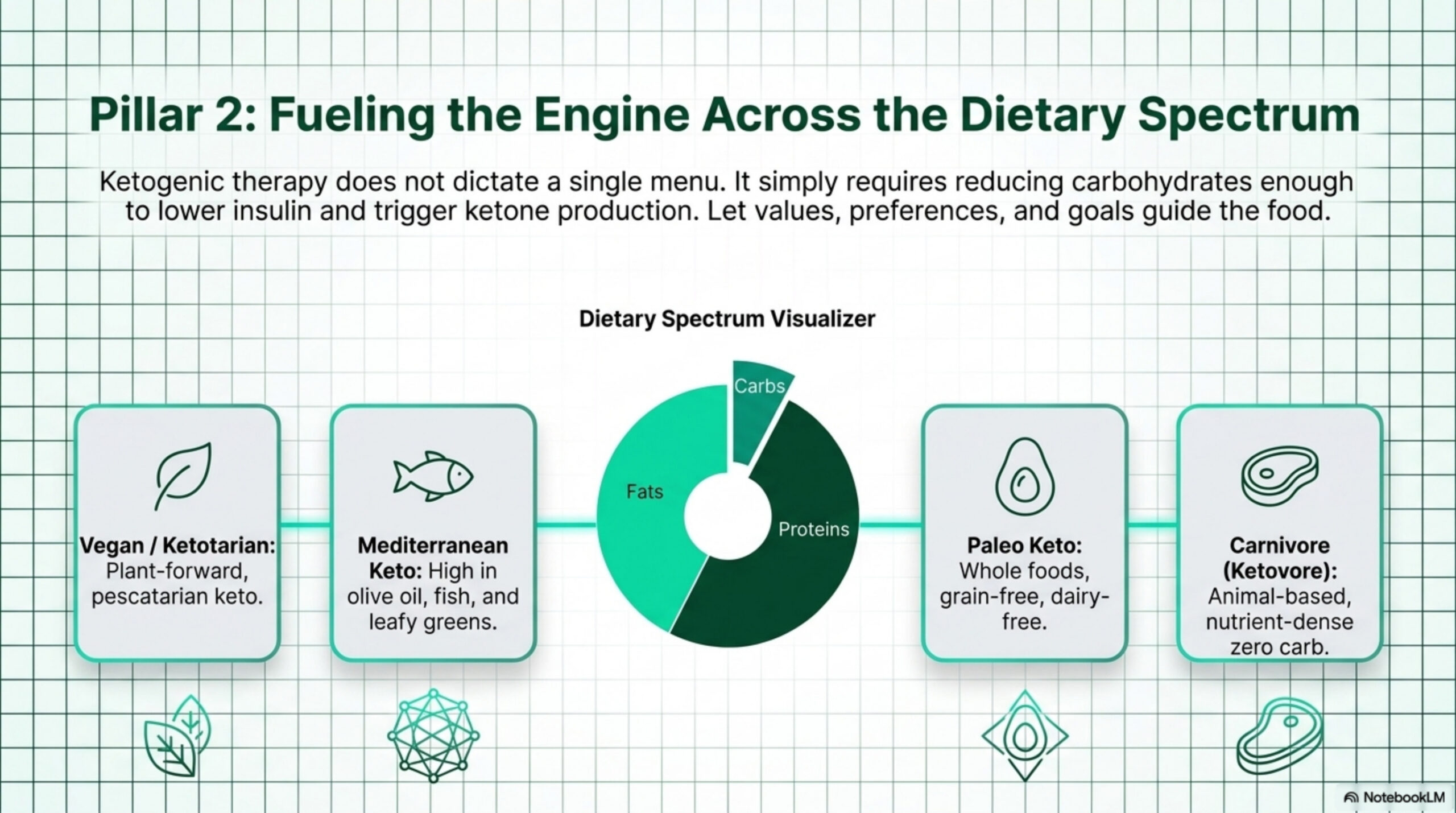
5. A diet that fits your life. There's no single "correct" way to eat keto. Vegan, Mediterranean, Paleo, carnivore — it can be adapted to your values, as long as ultra-processed "keto" junk food and inflammatory oils are off the table.
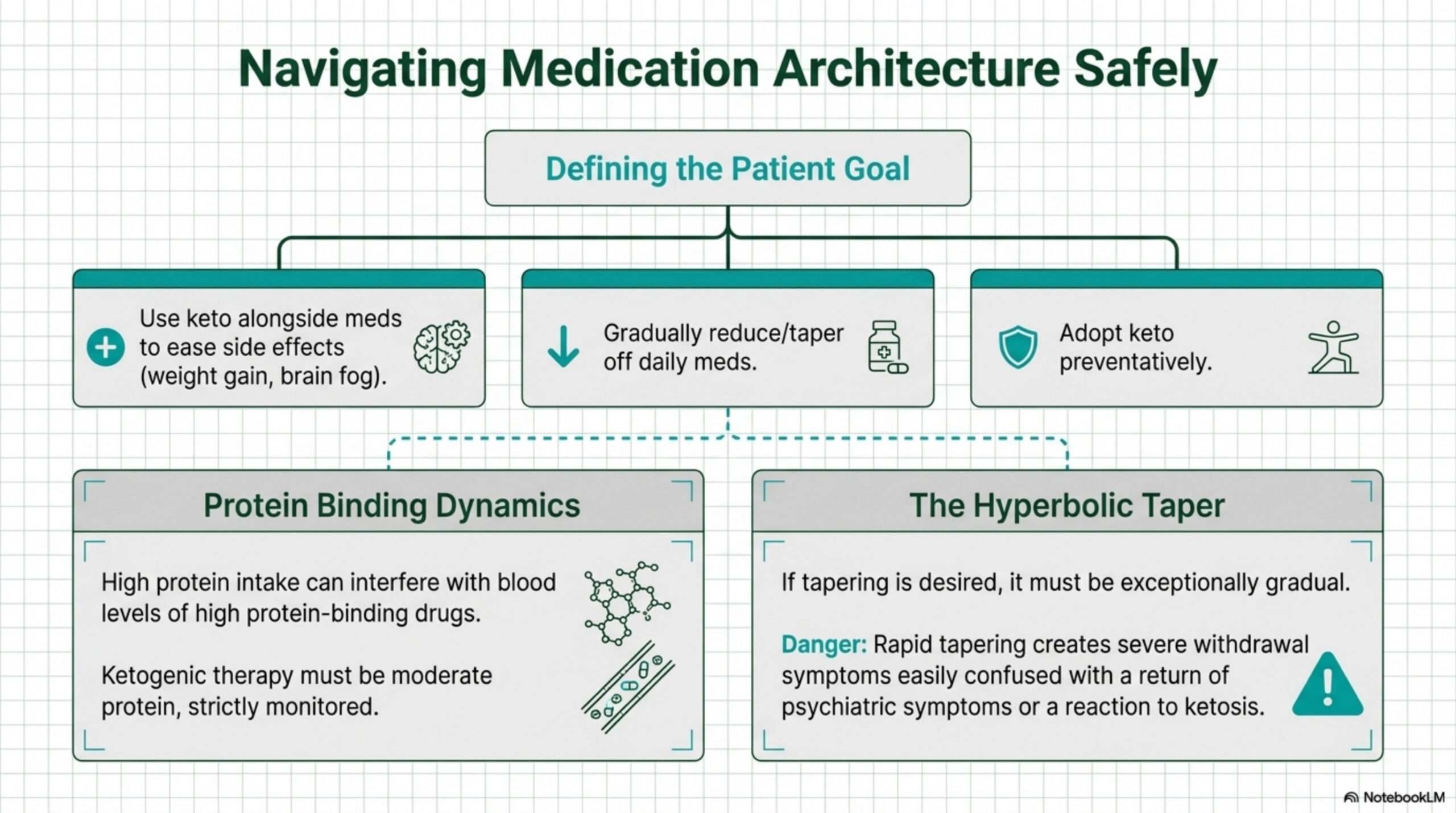
6. Moderate protein, not high protein. This surprises people. Too much protein can trigger gluconeogenesis — your liver converting excess protein into glucose — which quietly knocks you out of ketosis. We target roughly 0.5–0.7g of protein per pound of ideal body weight.
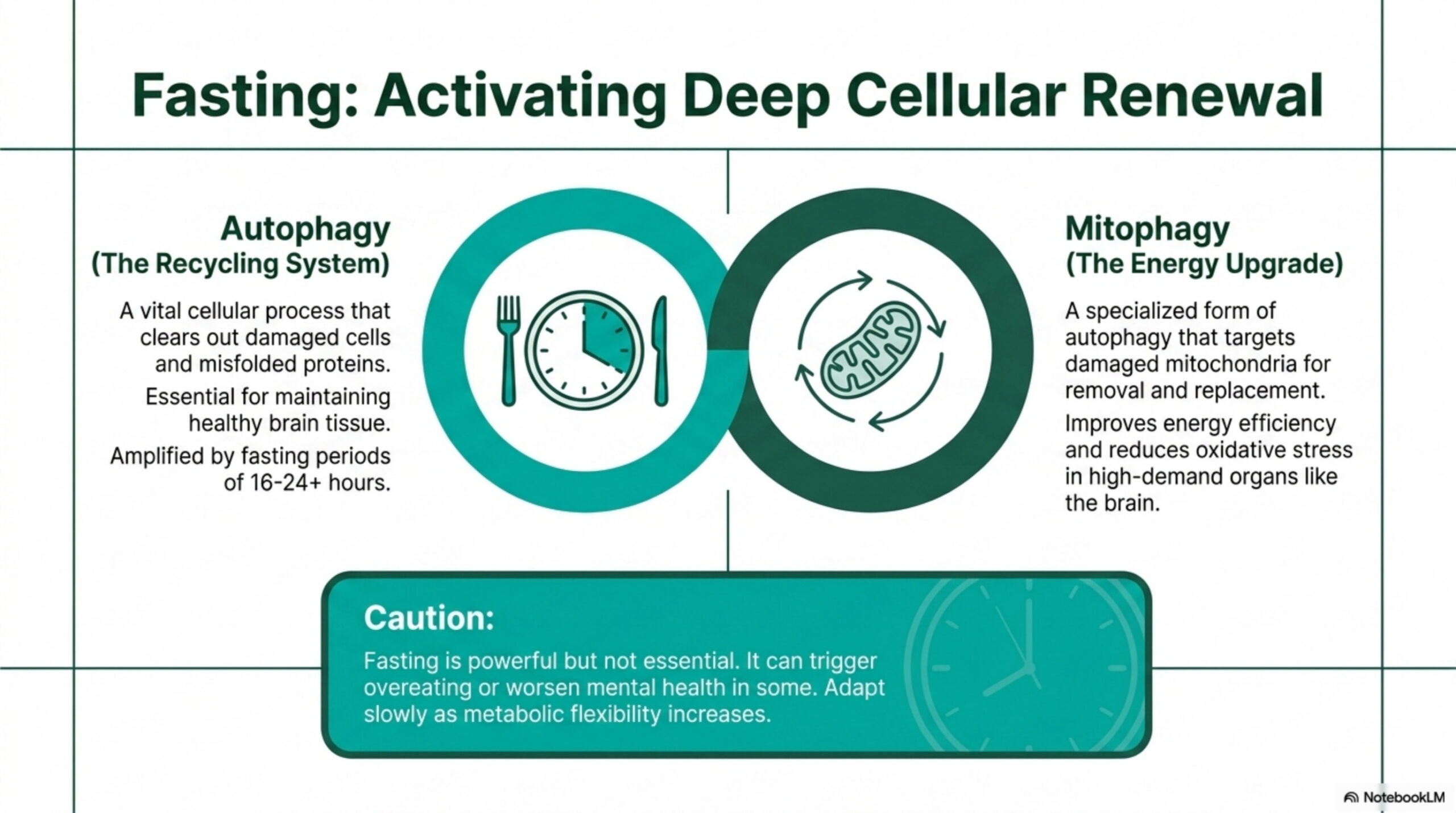
7. Fasting, if and when it makes sense. Fasting can accelerate ketosis and deepen autophagy and mitophagy — your body's cellular recycling and mitochondrial-renewal systems. But it's not mandatory, and for certain patients — particularly those with bipolar disorder or a history of disordered eating — it needs to be approached carefully, with our guidance.
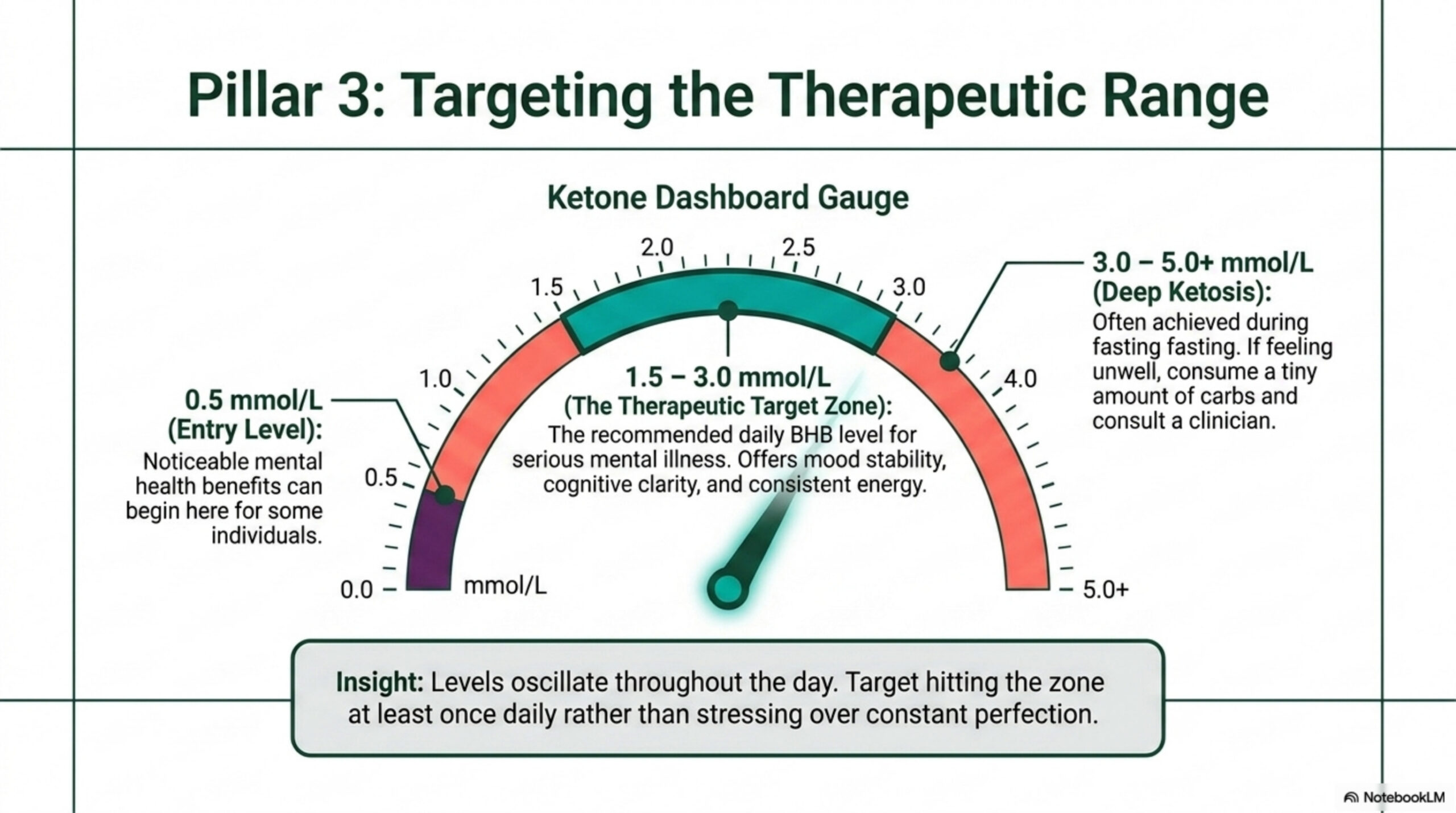
8. A real therapeutic target. For serious mental illness, we're generally aiming for a daily BHB average of 1.5–3.0 mmol/L, though this varies — some patients stabilize as low as 0.5 mmol/L, others need more.
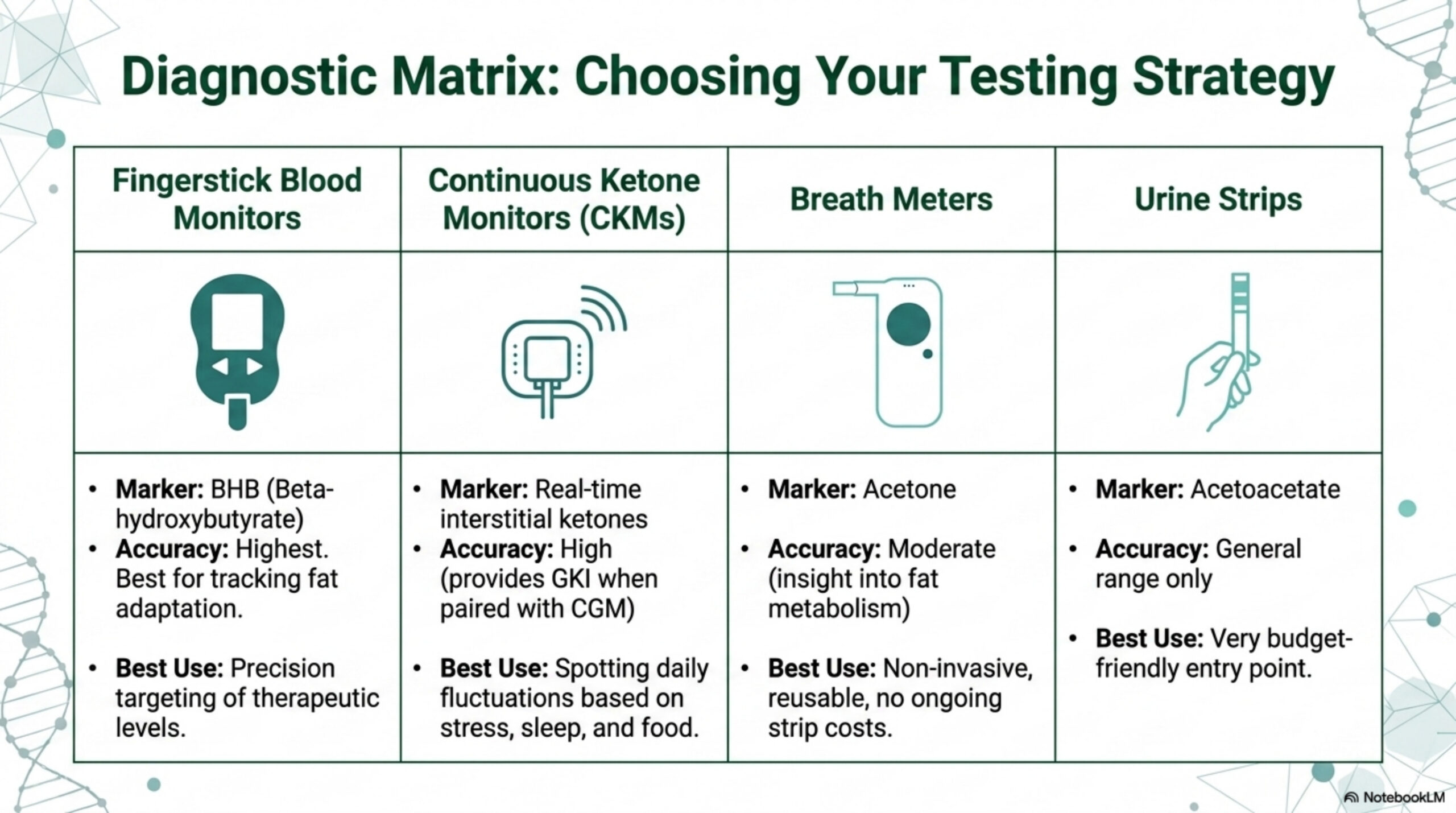
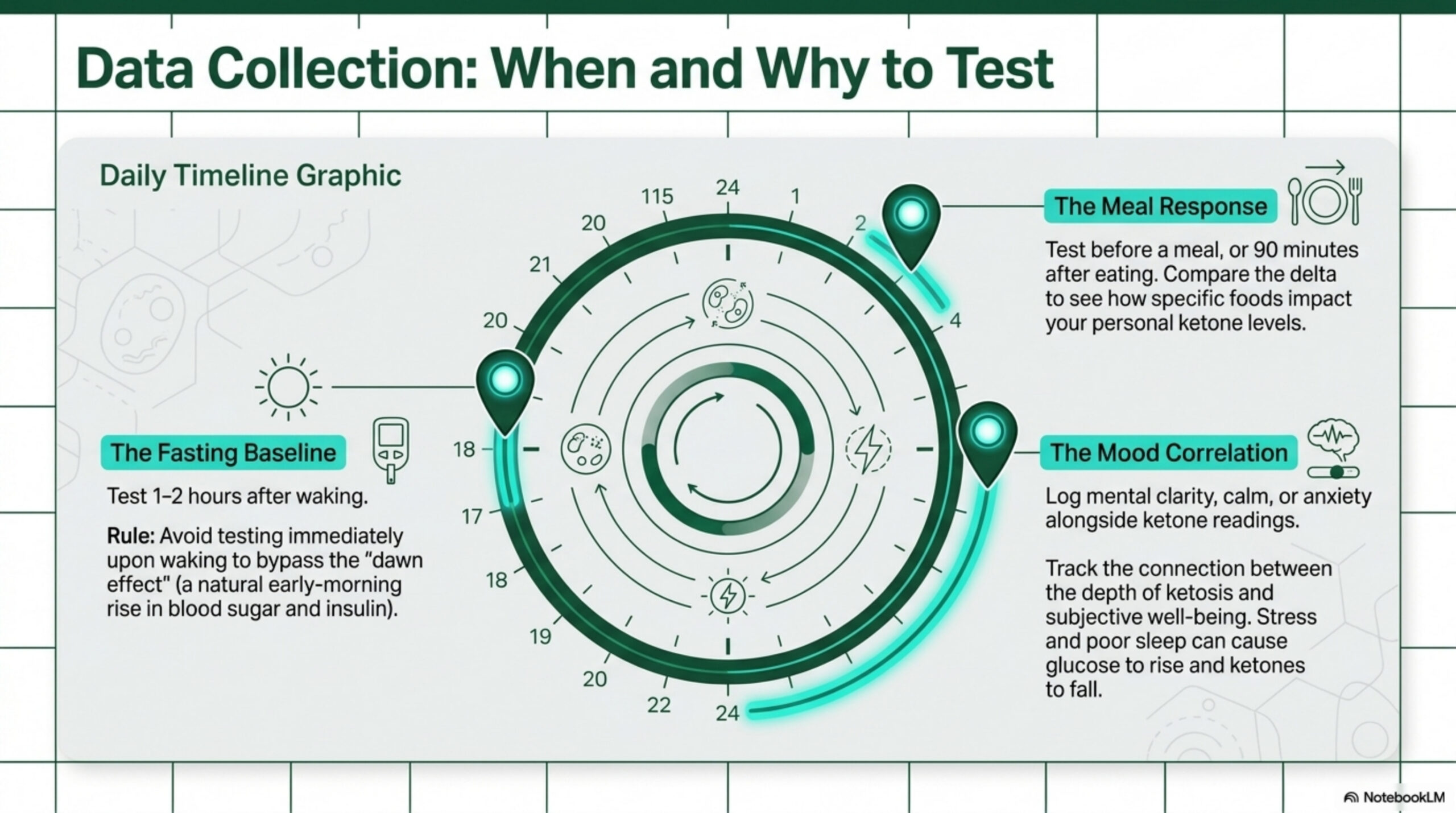
9. & 10. Testing that fits how you live. Fingerstick blood monitors are the clinical gold standard, but breath meters and urine strips both have their place depending on budget and how precise you need to be. We usually have patients test 1–2 hours after waking (never immediately — the "Dawn Effect" throws off your reading) and again before or after meals to build a real picture over time.
What this actually feels like long-term
One of the more underrated effects of this protocol is what happens at the cellular level over months, not days. Ketosis activates autophagy — your body's process for clearing out damaged cells and misfolded proteins — and its more targeted cousin, mitophagy, which specifically replaces dysfunctional mitochondria. For brain tissue, which runs on an enormous and constant energy demand, this renewal process is a big part of why patients describe the changes as feeling less like symptom management and more like their brain actually healing.
If medication reduction becomes appropriate as you stabilize, we use what's called a hyperbolic taper — an intentionally slow, non-linear approach to dose reduction. It's the safest way we know to tell the difference between withdrawal symptoms and a genuine return of the original condition.
A few honest answers to questions we hear often
Do I have to do this forever? It depends entirely on you. Some patients maintain long-term stability on a modified low-carb approach after sustained improvement. Others find their symptoms return if they drift out of their therapeutic range and choose to stay the course longer-term. There's no universal answer — we build the plan around your response, not a script.
Is this expensive? Not necessarily. Built around whole foods — eggs, ground meats, seasonal low-carb vegetables — it is often more budget-friendly than a diet full of processed convenience food.
What if my ketone levels get too high? If you hit 5+ mmol/L and start feeling nauseous, confused, or dehydrated, that's your signal to act — a small amount of fast-acting carbohydrate (like a tablespoon of apple juice) will bring you out of it quickly. If that happens, or if symptoms persist, reach out to your care team immediately to rule out anything more serious.
Where to start
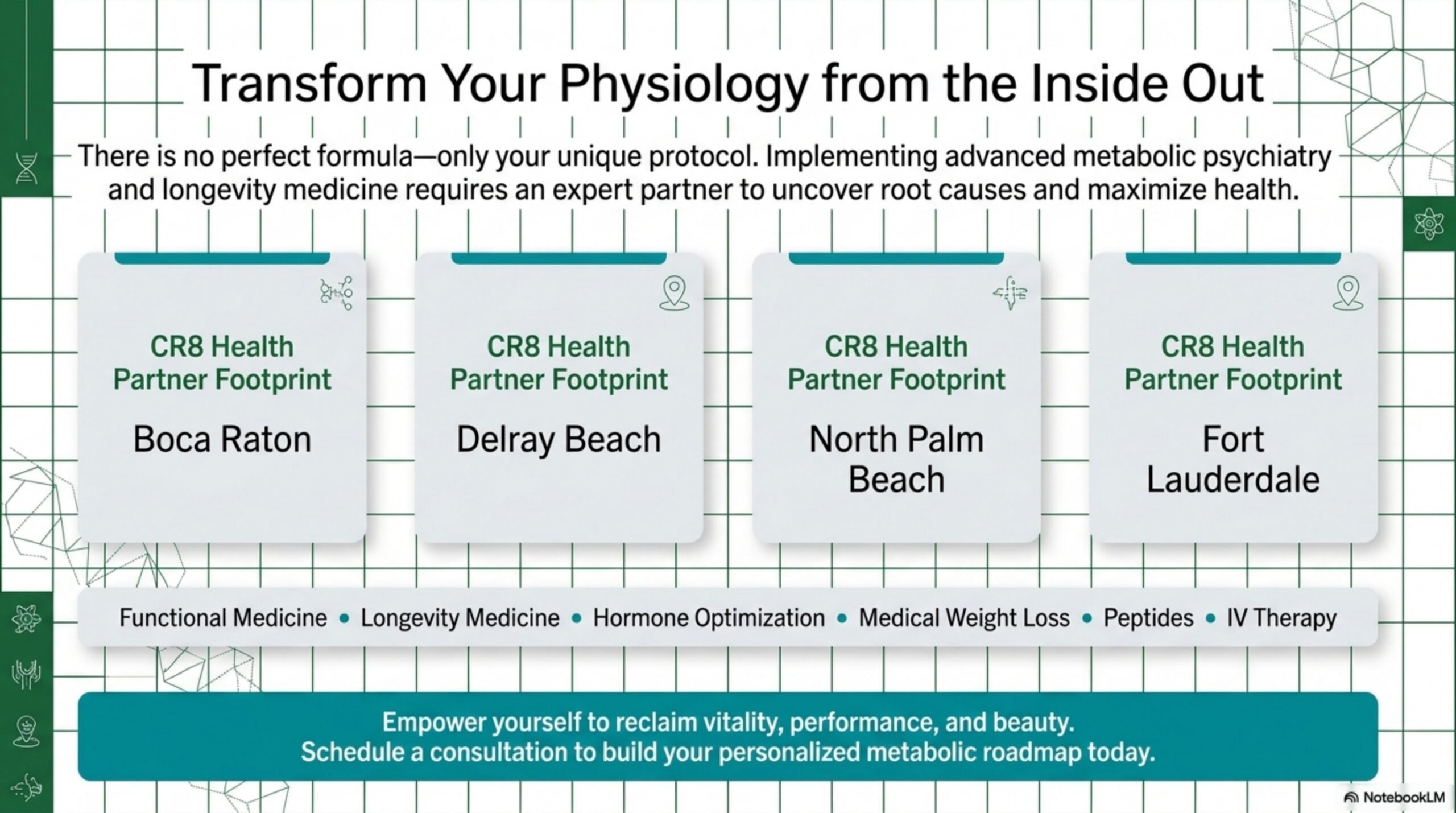
If any of this sounds like it might explain something you've been struggling with — whether that's a mood disorder that hasn't responded to standard treatment, or just a sense that something metabolic is off — this is exactly the kind of root-cause work we do at CR8 Health across our Boca Raton, Delray Beach, North Palm Beach, and Fort Lauderdale locations, as well as via telehealth.
This isn't about symptom management. It's about giving your brain the fuel it was always built to use.
Listen: Treating Mental Illness with Metabolic Therapy
An audio deep-dive on everything covered above — good for a walk, drive, or gym session.
Ready to talk it through?
Schedule a consultation with CR8 Health and let's build your metabolic protocol together.
Schedule a Consultation- Metabolic Mind — Intro Guide to Ketogenic Therapy for Mental Health (THINK+SMART framework)
- Metabolic Mind — THINK+SMART Program
- CR8 Health — Personalized Healthcare at CR8 Health